AI Powered Manufacturing: How Intelligent Systems are Solving Industry Crisi Points- A Roadmap for 300% ROI Executive Summary:
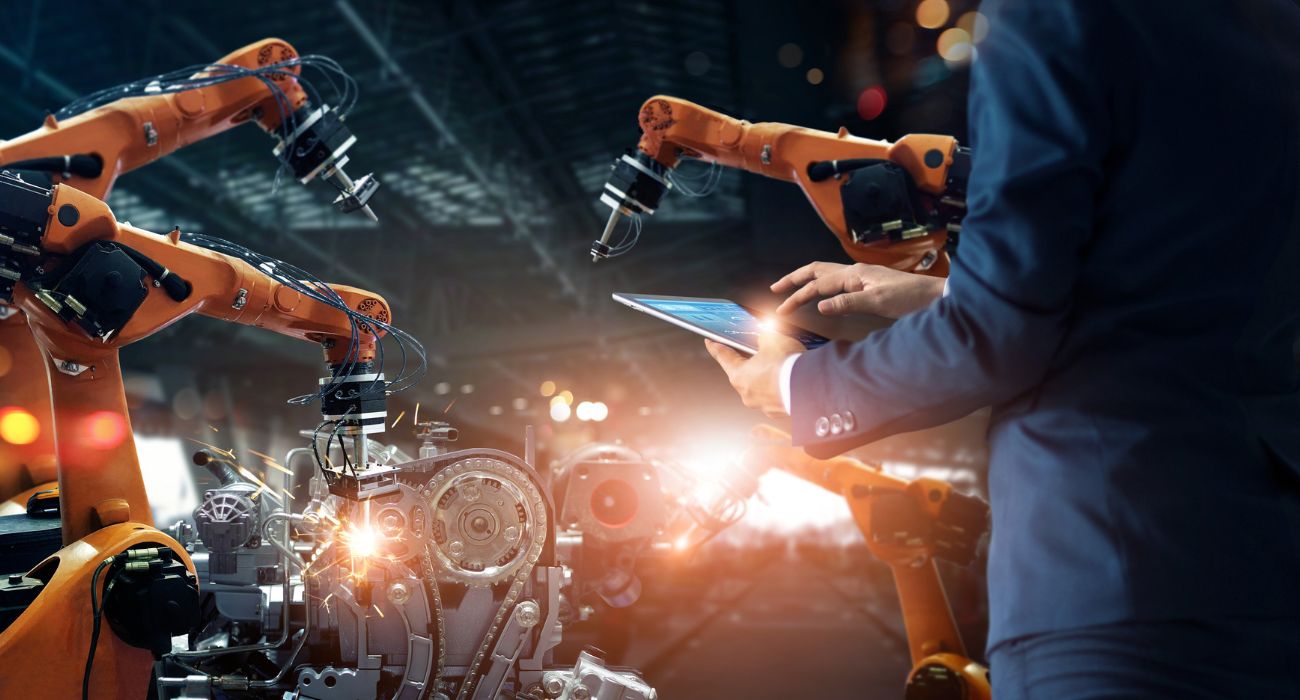
The manufacturing sector is at an inflection point. Rising costs, supply chain volatility, labor shortages, and data overload threaten profitability, while AI-powered solutions offer a transformative path forward.Ā Agentic AI autonomous, decision-making AI systems is redefining manufacturing by enabling self-optimizing factories, predictive supply chains, and hyper-efficient operations.
Why AI Adoption is Non-Negotiable in 2025:
- ⢠McKinsey reports 86% of manufacturers expect AI to be mainstream by 2025.
- ⢠Early adopters like Siemens, GE, and BMW have already achieved:
- 1. 15-30% reduction in downtime (predictive maintenance)
- 2. 20% lower inventory costs (AI-driven supply chain optimization)
- 3. 10-25% faster order fulfillment (autonomous logistics)
- ⢠Manufacturers generate 1,800+ petabytes of data annuallyāAI unlocks its value.
This white paper explores:
- ⢠The strategic possibilities of AI in manufacturing
- ⢠Tangible ROI and business impact
- ⢠Why delaying AI adoption risks obsolescence
The AI Revolution in Manufacturing: Possibilities & Impact
1. AI-Driven Operational Transformation
For Manufacturers:
Self-Optimizing Factories
- ⢠AI continuously adjusts production lines in real time, reducing bottlenecks and improving throughput by 15-25%.
- ⢠Example: BMWās AI-powered assembly lines dynamically reconfigure workflows, cutting idle time by 18%.
Predictive & Autonomous Maintenance
- ⢠AI predicts equipment failures weeks in advance, reducing unplanned downtime by 30-50%.
- ⢠Case Study: Siemensā AI maintenance system increased asset uptime by 15%, saving $17M annually.
Hyper-Efficient Supply Chains
- ⢠AI forecasts demand with 95%+ accuracy, optimizing procurement and reducing excess inventory by 20-35%.
- ⢠Example: GEās AI supply chain agent cut logistics costs by $80M/year.
For Customers:
Faster, More Reliable Deliveries
- AI-driven logistics reduce lead times by 25-40%, improving on-time delivery rates.
Mass Customization at Scale
- ⢠AI enables batch-of-one manufacturing, allowing personalized products without sacrificing efficiency.
- ⢠Example: Adidasā Speedfactory uses AI to customize shoes 5x faster than traditional methods.
2. The Financial & Competitive Impact of AI
AreaAI ImpactROI Example
- ⢠Cost Reduction 15-30% lower operational costs Toyota saved $100M/yr via AI-driven waste reduction
- ⢠Revenue Growth 10-20% higher production efficiency Foxconn boosted output by 25% with AI automation
- ⢠Risk Mitigation 50% fewer supply chain disruptions Caterpillar reduced stockouts by 40%
- ⢠Sustainability 20-30% lower energy consumption Schneider Electric cut carbon footprint by 27%
- ⢠The Bottom Line: AI adoption isnāt just about efficiencyāitās a profitability multiplier.
Why AI Adoption Canāt Wait: The Strategic Imperative
1. The Cost of Inaction:
Manufacturers who delay AI adoption face:
- ⢠Eroding Margins: Competitors using AI will undercut prices by 10-20%.
- ⢠Supply Chain Vulnerabilities: Manual processes lead to 30% longer recovery times from disruptions.
- ⢠Talent Shortages: AI augments human workers, bridging the 2.1M skilled labor gap in manufacturing by 2030 (Deloitte).
2. The First-Mover Advantage
Early adopters are already seeing:
- ⢠20-40% faster decision-making (real-time AI analytics)
- ⢠50% fewer quality defects (AI-powered computer vision)
- ⢠3-5x faster innovation cycles (AI-driven R&D optimization)
Example:Ā Teslaās GigafactoriesĀ leverage AI forĀ fully autonomous production lines, giving them aĀ 2-year leadĀ over competitors.
What an Agentic AI Works in Manufacturing:
The AI Agent Framework
1. Data Ingestion
- IoT sensors, ERP systems, and external feeds (weather, market data) provide real-time inputs.
2. Machine Learning Analysis
AI detects patterns (e.g., machine wear, demand shifts) and predicts outcomes.
3. Autonomous Decision-Making
- AI agents execute actions (e.g., rerouting shipments, adjusting production schedules).
4. Continuous Learning
- Systems improve over time, reducing errors byĀ 5-10% monthly.
Example:Ā John Deereās AI agentsĀ autonomously optimize tractor production, reducing waste byĀ $50M/year.
Conclusion: The AI-Powered Manufacturing Era is Here
Manufacturers must act now or risk being outpaced by AI-driven competitors. TheĀ ROI is proven, theĀ technology is mature, and theĀ competitive stakes have never been higher.
Next Steps for Manufacturers:
- 1. Assess AI Readiness ā Identify high-impact areas (supply chain, maintenance, quality control).
- 2. Launch Pilot Projects ā Start with predictive maintenance or demand forecasting.
- 3. Scale with Confidence ā Expand AI integration based on measurable results.
The choice is clear:Ā Embrace AI today or lose ground tomorrow.
Need a Customized AI Roadmap?
Contact us Ā for aĀ free manufacturing AI assessmentĀ and pilot project blueprint.